Introduction
In the bustling world of child care, small crashes and injuries are an unpreventable part of life. Youngsters are naturally interested, energetic, and occasionally a little bit awkward. As caretakers, it is important to be prepared with reliable emergency treatment techniques to manage small injuries immediately and successfully. This short article explores Managing Minor Wounds in Childcare: Best Practices for Quick Recovery, guaranteeing that caretakers comprehend vital practices, precaution, and guidelines associated with child care settings.
Understanding Minor Wounds in Children
What Makes up a Minor Wound?
Minor wounds commonly consist of cuts, scrapes, contusions, and small leaks. These injuries may not require comprehensive medical treatment however can cause infections or difficulties if not appropriately handled.
Common Types of Minor Wounds in Childcare Settings
- Cuts: Frequently caused by sharp things or falls. Scrapes: Arising from skin abrasion against difficult surfaces. Bruises: Caused by effects or falls. Puncture Wounds: Can happen from stepping on sharp objects.
Importance of Emergency treatment Educating for Caregivers
Why Caretakers Need Emergency treatment Training
Caregivers furnished with the skills acquired through courses like HLTAID012 Supply Emergency treatment in Education can react successfully throughout emergencies. Knowledge of emergency treatment improves caretaker self-confidence and makes certain children's safety.
Key Components of HLTAID012 Certification Australia
The HLTAID012 certification includes important skills such as mouth-to-mouth resuscitation, wound administration, choking prevention, and even certain techniques like epinephrine administration for sensitive reactions.
Best Practices for Handling Minor Wounds
Immediate Action Responsibilities
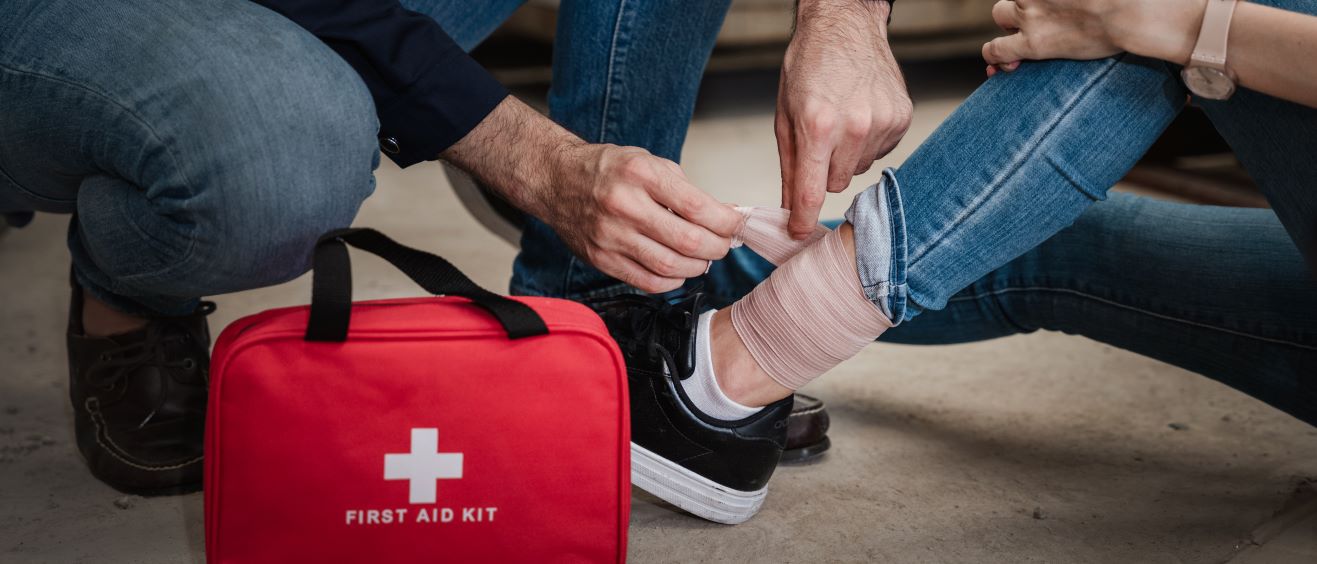
When a child sustains a minor injury:
Proper Hand Health Techniques
Maintaining appropriate hand hygiene is crucial in avoiding infections:
- Use antibacterial soap when cleaning hands. Dry hands with a clean towel or air dryer. Consider using hand sanitizers when soap isn't available.
Cleaning and Dressing Minor Wounds
Rinse the injury under lukewarm water. Apply antiseptic solution gently. Cover with a suitable dressing (bandage or sticky strip).Recognizing Complications
When to Look for Medical Attention
While many small wounds can be treated in your home, specific indicators require expert analysis:
- Excessive bleeding Signs of infection (inflammation, swelling) Severe discomfort that gets worse over time
Choking Prevention Strategies
Understanding Choking Hazards
Choking occurrences can take place quickly; understanding prospective hazards assists stop them:
- Foods: Round or hard foods like grapes or nuts should be prevented for more youthful children. Toys: Make certain toys are age-appropriate and devoid of little parts.
Choking Response Protocols
If a kid is choking:
Encourage them to cough if possible. Administer back blows adhered to by abdominal drives if they can not breathe.Dealing with Play area Mishaps
Safety Procedures on Playgrounds
Playground devices must be on a regular basis evaluated for security dangers:
- Ensure surfaces are cushioned (e.g., compost, rubber floor coverings). Supervise youngsters carefully throughout playtime.
Incident Reporting Protocols
Every child care facility need to have clear incident coverage protocols in place to record any type of mishaps accurately.

Epipen Administration: An Essential Skill
The Importance of Understanding Exactly How to Make Use Of an Epipen
For children with serious allergies, recognizing how to administer an epinephrine auto-injector is critical:
Recognize signs and symptoms of anaphylaxis (trouble breathing, swelling). Follow supplier guidelines for providing the injection.
Child Defibrillation Guidance
Understanding Sudden Cardiac Arrest in Children
While rare, knowing exactly how to make use of an AED (Automated External Defibrillator) can conserve lives:
Call emergency situation solutions immediately. Use the AED according to voice prompts while carrying out mouth-to-mouth resuscitation up until aid arrives.Building Educator Confidence Via Training
The Function of Continuous Learning
Regular training sessions help construct teacher confidence pertaining to emergency treatment feedbacks in childcare settings.
Recognising Asthma Symptoms
Identifying Asthma Assaults Early
Educators need to recognize exactly how to determine asthma symptoms such as wheezing or trouble breathing so they can act promptly:
- Keep a bronchial asthma action plan easily accessible for every youngster identified with asthma.
Childproofing Strategies for Safe Environments
Implementing Reliable Childproofing Strategies
Childproofing involves greater than simply securing furniture; it consists of recognizing potential risks throughout your childcare environment:
Store unsafe products out of reach. Secure heavy furniture that can tip over. Use corner guards on sharp edges.Written vs Practical Elements of First Aid Training
Balancing Theory and Practice
First help training must balance written knowledge with hands-on technique to ensure all caretakers really feel ready for emergencies:
|Element|Description|| -------------------|-------------------------------------------------------|| Composed|Comprehending procedures and procedures|| Practical|Hands-on experience with simulations|
Renewal Timelines for Certification
Keeping Certifications Up-to-Date
Staying current on first aid certifications is essential; most accreditations call for revival every 3 years to make certain skills stay fresh.
Essential Things in a Child Care Centre First Aid Kit
Creating a well-stocked first aid set tailored to your center's requirements is necessary:
|Thing|Function|| ----------------------------------------|------------------------------------------|| Adhesive bandages|For covering tiny cuts|| Sterile gauze pads|To soak up blood from larger injuries|| Antibacterial wipes|For cleansing injuries|| Non reusable gloves|To keep health while dealing with wounds|| Scissors|For reducing tape/bandages|
First Help Basics for Parents
Parents play a vital duty along with First aid and CPR courses Gold Coast caretakers; informing them concerning fundamental first aid concepts boosts overall safety:
Teach parents exactly how to identify symptoms needing prompt attention. Provide resources on taking care of common childhood ailments such as high temperatures or sprains.First Help for Kid With Disabilities
Caring for youngsters with handicaps requires specialized expertise about their special needs:
- Be familiar with details clinical problems associated with impairments that might call for immediate focus throughout emergencies.
FAQs
Q: What are small wounds?
A: Small injuries include cuts, scrapes, contusions, and pierces that usually do not require considerable medical treatment yet call for proper care to stay clear of complications.
Q: How do I treat a minor wound?
A: Tidy the wound carefully with soap and water, use antiseptic solution, after that cover it with a proper clothing like a bandage or sticky strip.
Q: When ought to I seek clinical help?
A: Look for clinical interest if there's extreme blood loss, indicators of infection like redness or swelling appear, or if there's extreme pain intensifying over time.
Q: What need to be included in a childcare centre emergency treatment kit?
A: Necessary things consist of adhesive bandages, sterile gauze pads, antibacterial wipes, non reusable gloves, scissors to name a few products customized particularly for children's needs.
Q: Exactly how typically must emergency treatment training be renewed?
A: It's recommended that certifications like HLTAID012 be restored every 3 years to make certain caregivers maintain their abilities current and current.

Q: What tips ought to I take if a child starts choking?
A: Urge coughing preferably; otherwise administer back blows adhered to follow this link by abdominal thrusts until they can take a breath once more or emergency situation services arrive.
Conclusion
In final thought, handling small wounds in childcare settings includes recognizing ideal methods ranging from immediate action duties to correct cleansing techniques and continuous education and learning concerning emergency treatment procedures such as HLTAID012 certification By carrying out these approaches faithfully within your child care facility-- while cultivating open communication between caregivers and moms and dads-- you'll not just boost kids's safety however also infuse self-confidence amongst teachers faced with emergency situations daily. Bear in mind constantly; preparedness today brings about much healthier tomorrows!